Sponsored Content · Educational Presentation
The Quiet Honey Ritual Mediterranean Households Return to Every Morning at 50 and Beyond
Before breakfast, before the day gets busy, a small jar of honey sits on tables across coastal Mediterranean kitchens — part of a routine many families never explain, only repeat, generation after generation.
Why Memory Shifts After 50
Picture a Sunday morning: the coffee is brewing, a name from last night’s dinner slips away for a moment, and nobody thinks much of it. These small shifts are common — and understanding why they happen is the first step before jumping to conclusions.
The Pace of Daily Life Changes
Recall can feel slower simply because attention is split across more responsibilities, not because something is wrong.
Balance Between Rest and Activity Shifts
The way energy is distributed across a day tends to reorganize with age, which can affect how sharp the mind feels by evening.
Sleep Patterns Become Lighter
Many people over 50 describe lighter, more fragmented sleep, which is frequently linked to how well information is retained the next day.
Energy Distribution Throughout the Day Adjusts
Mental clarity often peaks and dips at different hours than it once did, which can be mistaken for a bigger issue.
Myths vs Facts About Memory and Aging
Kitchen-table conversations about memory are full of assumptions passed down without much scrutiny. Here is a closer, more sober look.
Forgetting names means serious decline is starting.
Occasional name-recall lapses are common and often unrelated to any underlying concern; attention and context play a large role.
Only puzzles and brain games matter.
Daily habits — diet, sleep, movement, and social connection — all factor into how people describe their day-to-day sharpness.
Traditional routines like honey are just old wives’ tales with no place in modern life.
Many Mediterranean households still include small daily rituals such as honey, not as medicine, but as a consistent part of a broader lifestyle pattern researchers continue to explore.
Inside the Mediterranean Morning Method
The routine itself is unremarkable on the surface — which may be exactly why it has lasted this long.
Start With a Grounding Morning Pause
Before screens or errands, a few quiet minutes are set aside — often with tea, coffee, or a warm drink, away from noise.
Add a Small, Consistent Ritual
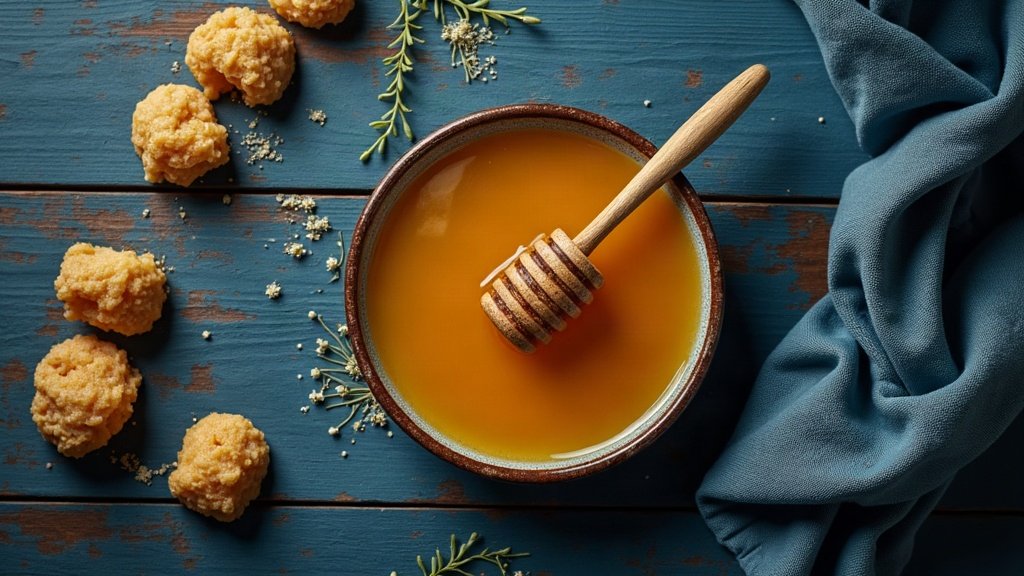
A spoonful of honey, stirred into a drink or spread simply, appears daily in many households — less a remedy, more a marker that the day has properly begun.
Close the Loop With Movement
A short walk or light stretching typically follows, tying the morning pause to the rest of the day’s rhythm.
Where This Ritual Comes From
Long before modern supplement aisles existed, coastal communities across Greece, southern Italy, and parts of the Levant built their mornings around simple, repeatable habits. Honey, produced locally and stored in nearly every pantry, became one of those fixtures — passed from grandmother to mother to daughter without much fanfare. Researchers studying Mediterranean lifestyle patterns have noted how these small, consistent rituals tend to cluster with other habits: slower meals, closer family ties, and regular physical activity.
The insight worth sitting with is not about a single ingredient, but about consistency: the same small act, at the same time, day after day, woven into a life that also includes rest, movement, and connection.
Signs Worth Paying Attention To
Frequently Losing Track of Conversations
Struggling to follow a discussion that was clear moments earlier can be worth mentioning to a healthcare provider.
Struggling to Find Common Words
Reaching for everyday words more often than before is a pattern many people notice gradually.
Misplacing Everyday Items More Often
Occasional misplacement is normal; a noticeable increase in frequency is worth tracking.
Feeling Mentally Fatigued by Early Afternoon
A consistent mid-day mental slump can be tied to sleep, diet, or simply a demanding schedule.
Difficulty Following Multi-Step Instructions
Recipes, directions, or assembly steps that suddenly feel more complicated deserve attention.
Noticing Mood Shifts Tied to Poor Sleep
Irritability or low mood following a poor night's sleep is common, but persistent patterns are worth discussing with a professional.
Real Households, Real Routines

These are individual accounts shared for illustrative purposes only. Names have been changed. Experiences vary from person to person, and these statements do not represent a guarantee of any outcome.
Common Questions
No. This content is educational and describes a traditional habit; it is not a substitute for professional medical guidance.
In many Mediterranean regions, honey was a locally produced, affordable staple that naturally became part of daily routines over generations.
The video focuses on adults 50 and older, since that is when many people start reflecting more on daily routines, but the ritual itself is not age-restricted.
Researchers have studied Mediterranean lifestyle patterns broadly, including diet, rest, and social habits, though individual rituals like this one are part of a larger, still-evolving area of interest.
It is a short presentation designed to walk through the history and context of this specific morning routine.
This page is educational and sponsored; any related offers are presented separately after the video.
Speak with a qualified healthcare professional. This page does not diagnose, treat, or offer medical advice of any kind.
See the Full Story Behind the Ritual
Watch the short presentation exploring where this Mediterranean morning habit came from, why it has lasted for generations, and what a sober look at the history reveals.
Advertising Disclosure: This page contains sponsored content and affiliate links. We may receive compensation if you click a link or make a purchase through this page. This does not affect the price you pay and helps support the content we produce.
Content Disclaimer: This content is for educational and informational purposes only. It has not been evaluated by the FDA. Nothing on this page is intended to diagnose, treat, cure, or prevent any disease or condition. Always consult a qualified healthcare professional before making changes to your health routine.
Results Disclaimer: Individual results and experiences vary from person to person. Testimonials shared on this page reflect personal accounts and are not a guarantee of any particular outcome.
© 2026 · All Rights Reserved · Questions? Visit /contact/